Generation Game: Design Trends For Different Ages
Client profile: youthful wealth
Wellness at home: Younger clients today are very health-conscious and are often asking for gyms, saunas, wellness suites and sometimes even cold plunges. Wellness has become a recurring theme in our projects, say Max de Rosée and Claire Sá, co-founders and directors of De Rosée Sa, a RedBook Partner. James Thurstan Waterworth, founder of interior design studio Thurstan, also a RedBook Partner, agrees. Recent requests include contrast therapy rooms, altering the exposure between hot and cold. Even just space to reset and recharge has become “part of the language of luxury for the next generation,” adds Edo Mapelli Mozzi, founder of Banda, a RedBook Partner.
Kitchen confidential: Many continue to turn their backs on traditional dining rooms. “Life happens in the kitchen, and social gatherings are more relaxed, whether it’s a family of four having breakfast or a dozen friends for brunch,” say Max and Claire of De Rosee Sa. “Large, open kitchens that encourage connection have become a standout request.” Flexibility and sociability are often at the heart of their homes, explains Edo Mapelli Mozzi of Banda. “We see a focus on open-plan layouts that can adapt from day to night, integrated technology and bold design statements.” On the last point, he highlights an appetite for sculptural dining tables or striking artwork.
Party pads: “Entertaining is usually a top priority, with showstopping bar areas and party barns frequently on the wishlist,” says James Thurstan Waterworth. It’s a continuation of “convenience culture” or what the consultancy firm McKinsey calls “bring-it-to-me” experiences. To use one measure: cinema attendance is down by more than 28% compared with figures from 2019.
Laptop lounging: Defined home offices aren’t a priority. This demographic wants somewhere to store papers while moving around with a laptop, say Max and Claire of De Rosee Sa.
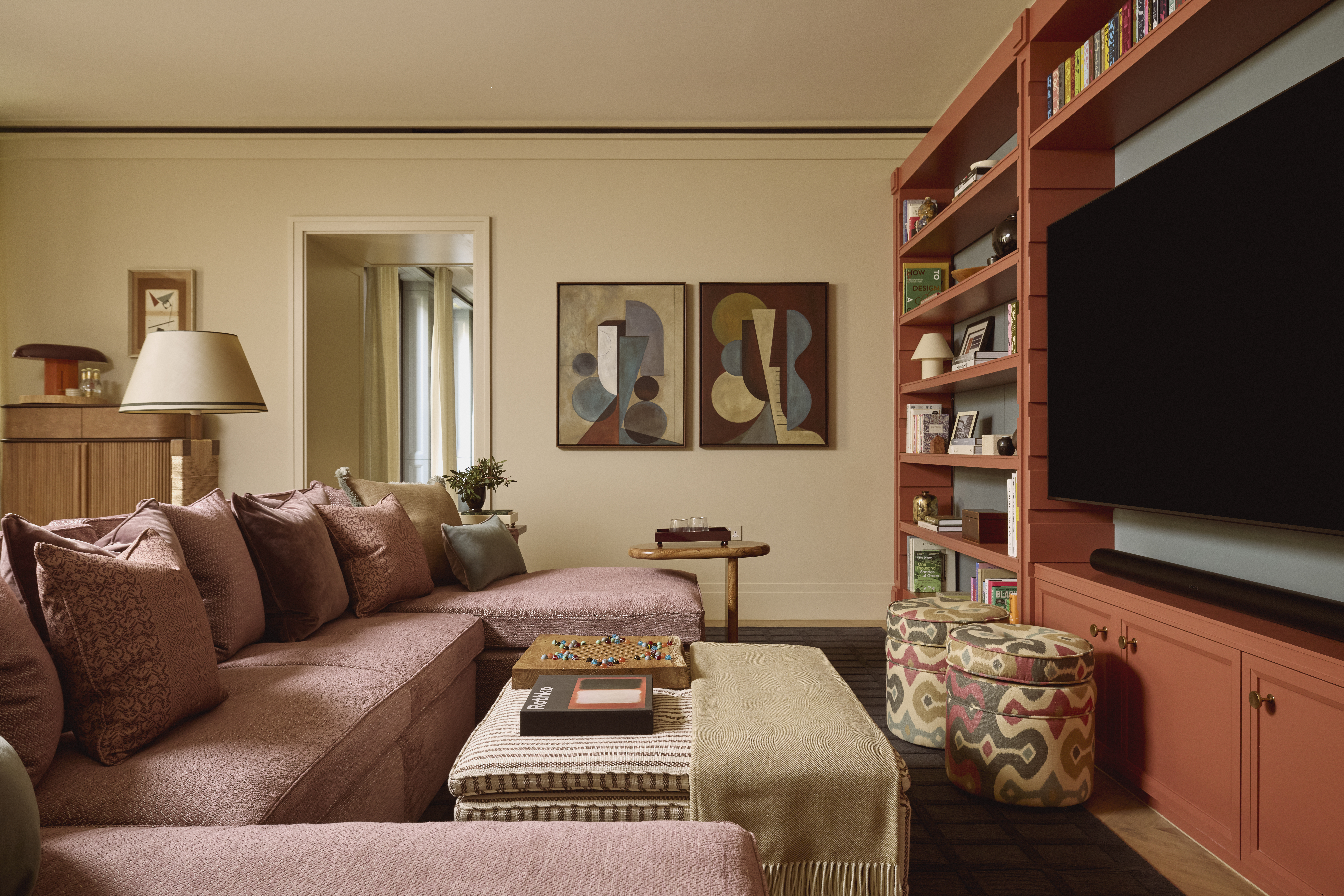
Design by RedBook Partner De Rosée Sa
Client profile: Empty nesters and downsizers
Fitness first: For our older clients, fitness and overall wellness are not simply lifestyle choices, but essential priorities that shape how they live every day, explains Fran Hickman, founder of her eponymous studio based in London and New York. “Even when downsizing, there is a strong emphasis on creating spaces that actively support health and vitality.” Extra bedrooms transform into private pilates studios or personal gyms. “The focus is not on resale value or future considerations but rather on achieving the highest quality of living in the present. This dedication reflects a deep understanding that maintaining strength, mobility and relaxation is key to independence, longevity and enjoying life to its fullest.”
Easy living: This demographic wants to bring a sense of practicality to schemes without compromising on glamour or style, say Max and Claire. Many want a sense of intimacy and calm, with spaces designed to host friends or grandchildren but without excess, adds Edo Mapelli Mozzi. “Quality of materiality, beautiful joinery, and tactile finishes matter deeply. Often these homes feel more curated, with cherished pieces collected over a lifetime given room to breathe.”
Sense of celebration: Empty nesters and downsizers often prefer kitchens with a relaxed eat-in arrangement for two. However, unlike the younger generations, this demographic still wants a more formal dining setup for larger family gatherings.
Space solutions: For those moving on from a long-term family home, the priority often shifts to making the most of space. “Downsizing brings a strong need for clever storage solutions to accommodate treasured possessions collected over a lifetime, items that hold deep sentimental value and can be difficult to part with,” adds James Thurstan Waterworth.
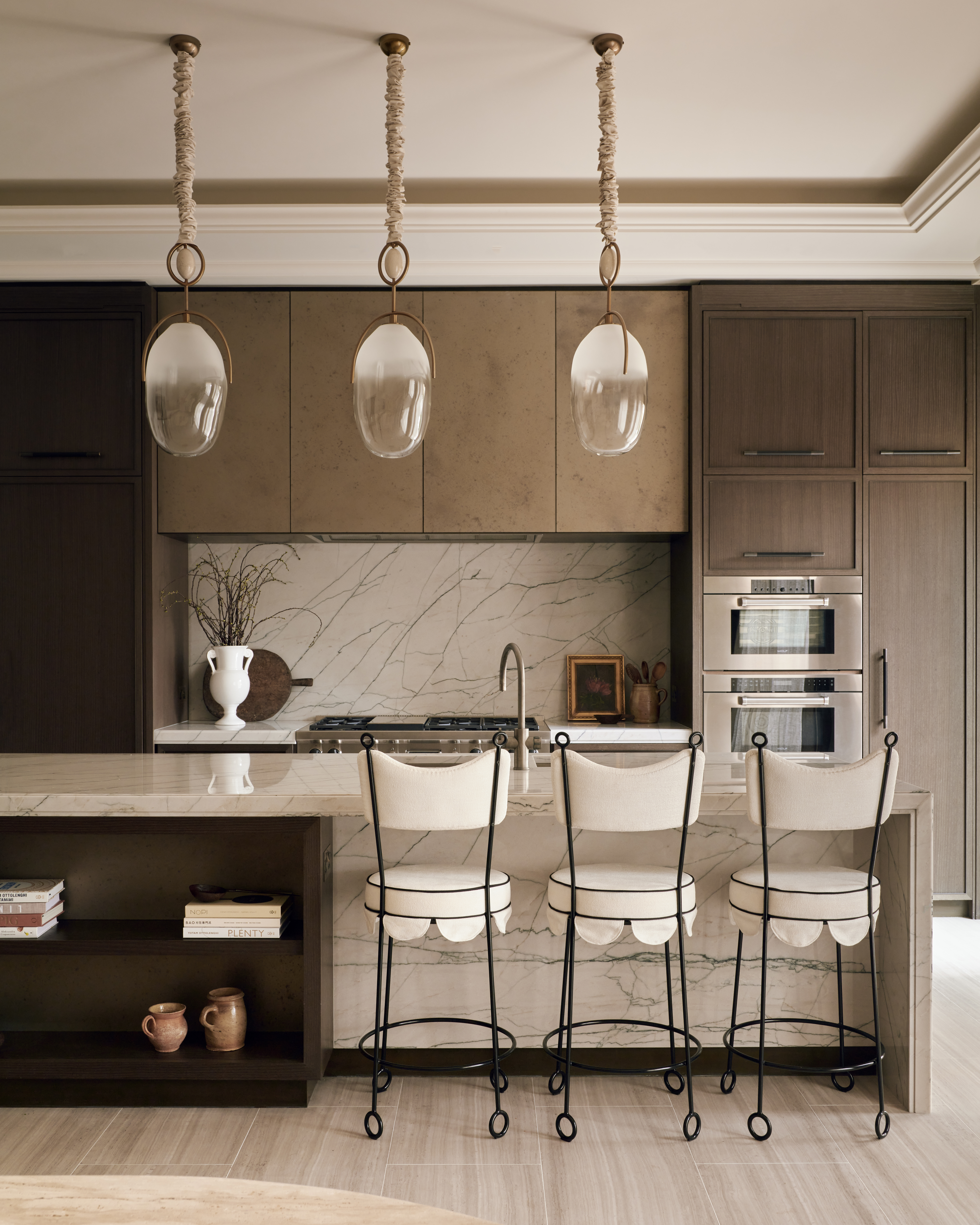
Design by RedBook Partner Banda © Michael Sinclair
Client profile: Family living
Super-charged storage: Family homes are governed by practicality and the busy demands of several lives living together under one roof. For that to work, storage is paramount, says Edo Mapelli Mozzi of Banda, whether it’s a generous pantry, a boot room, or well-organised dressing areas.
Together but separate: “We tend to place a large focus on social and gathering spaces to ensure the whole family can come together,” explain Max and Claire of De Rosee Sa. “At the same time, they often want areas where teenagers can peel away to watch a movie, with flexible elements like doors or TV rooms that can open or close.” The idea isn’t to isolate the children, but to give them a space that’s nearby yet can be “acoustically separate”. For families, the focus is on functionality and flexibility, agrees James Thurstan Waterworth. “Generous bedrooms, playrooms located near the kitchen, and multi-purpose living areas are highly valued.”
Al fresco dining: Outdoor kitchens and barbecues are a big priority, say Claire and Max. “Clients want gardens where children can play, and friends can gather, with cooking and entertaining flowing easily between indoors and out. There’s a strong desire for spaces that blur that boundary, making the two feel like one.”

Design by RedBook Partner Thurstan